 Ozmium Docs
Bard: The Theremini App
Bard is a browser-native air-theremin and pocket synth driven by touch, tilt, hand tracking, and silent lip-sync, built as a Base mini-app.
Bard: The Theremini App is a browser-native air-theremin and pocket synth. It descends from the theremin, the 1920s instrument played by moving your hands through two electromagnetic fields, and rebuilds the idea on hardware you already carry: pitch on one axis, volume on the other, no frets, no keys, and nothing to touch unless you want to.
There is no app store between you and it. It runs in the browser, installs as a PWA, and ships as a Farcaster and Base mini-app with wallet integration, so inside the Base App it opens with the host wallet already connected, exactly as Ozmium does.
Four Ways to Play It
| Input | How It Works |
|---|---|
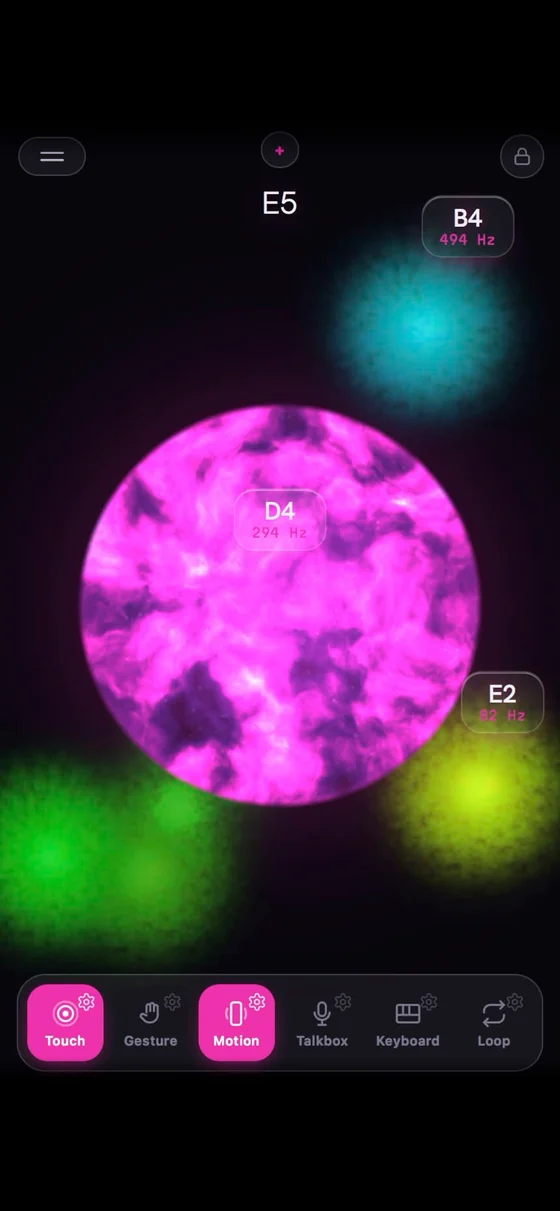
| Touch | The screen is the field. One axis is pitch, the other volume, like a theremin laid flat. |
| Tilt | Device motion drives the instrument, so the phone itself becomes the antenna. |
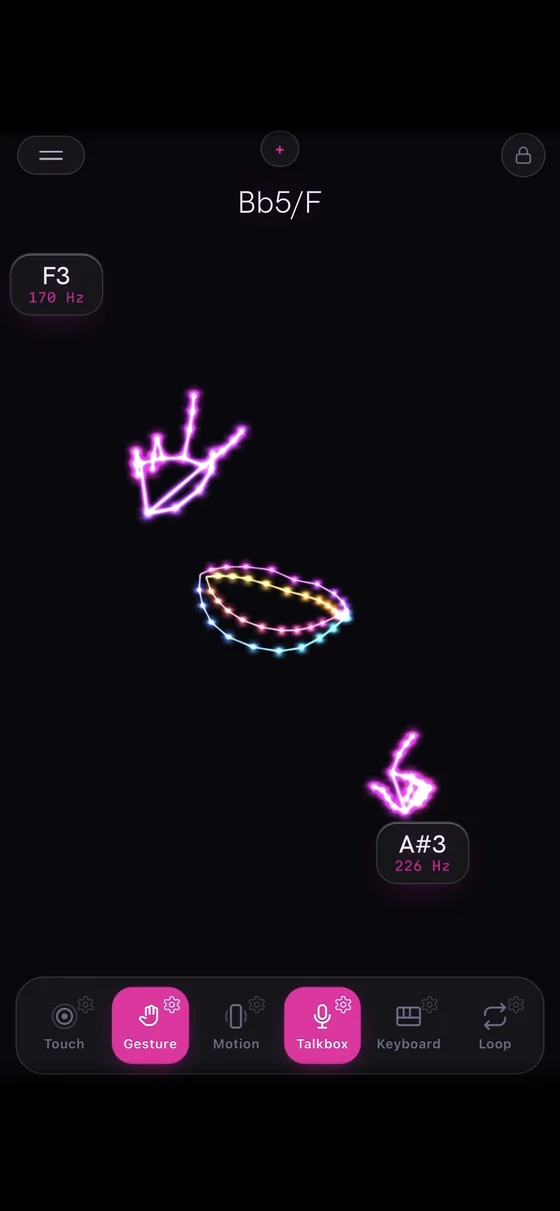
| Hand Tracking | The camera watches your hands in the air through MediaPipe, and you play the space above the device without touching anything. The original instrument, reconstructed. |
| Silent Lip-Sync | The talkbox mode reads mouth shape and drives a formant processor, so you can mouth words into a synth voice without making a sound. |
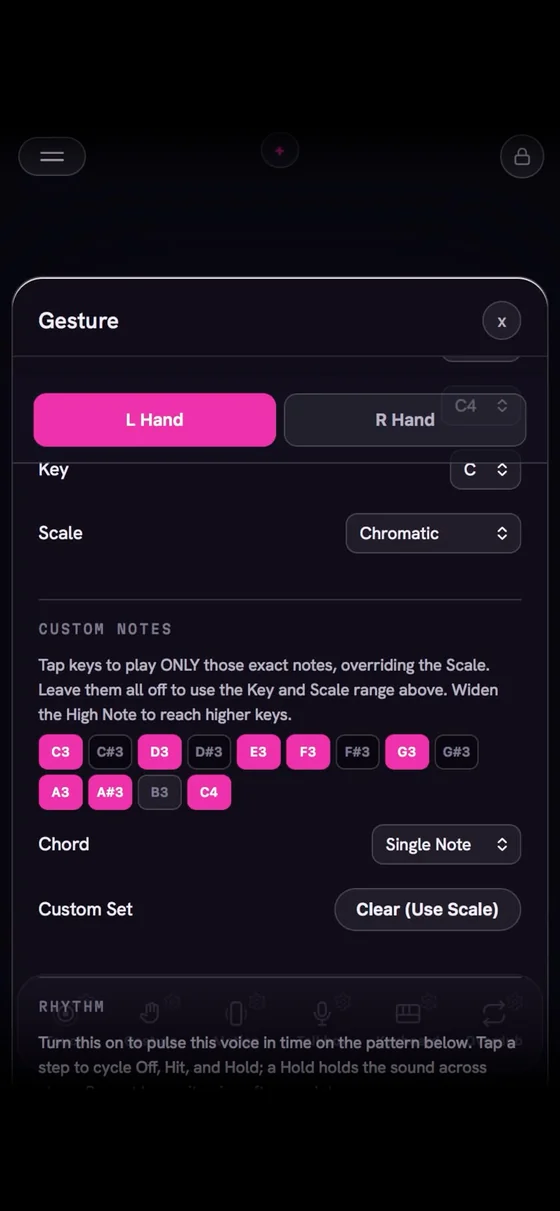
Underneath, the engine is WebAudio running custom AudioWorklets: a soundfont voice engine, an arpeggiator, a live looper, and chord and music-theory helpers, with a WebGPU visualizer drawing the signal as you play. Hand tracking and lip-sync never leave the device; the camera feeds the instrument, and nothing else.
Watch It
Base Builder Quest 7
Bard was selected as a finalist in Base Builder Quest 7 and awarded 0.5 ETH, announced by @buildonbase on July 3, 2025.
Two Versions
| Version | Status |
|---|---|
| v1 on GitHub | The original release, published open source under CC BY-SA 4.0. Free for anyone to use, modify, and build on, permanently. |
| v2 | The current app at theremini.app. Closed source, actively developed. |
Releasing v1 openly was deliberate. The instrument concept should not belong to anyone, and anybody who wants to build a theremin for the web has a working reference implementation to start from.
Why It Is Here
Bard and Ozmium share an operator, a network, and a build discipline: ship something real, put it where people already are, and let the work speak before the pitch does. Bard is the smaller of the two and by a wide margin the more fun.